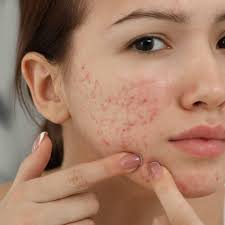
Understanding what is the difference between acne and pimples is essential for achieving clearer, healthier skin. Acne and pimples are not the same, even though people often mix up the words. Acne is a long-lasting skin problem that can cause pimples, blackheads, and cysts. Pimples are just single red or swollen spots that sometimes show up. In this article, we’ll break down the key differences and share expert tips to help you manage breakouts effectively.
Defining Acne vs. Pimples
What is Acne?
Acne is a common, long-term skin condition that affects the hair follicles and oil glands beneath the skin. These glands produce sebum (oil) to keep the skin moisturized. However, when too much oil mixes with dead skin cells, the pores can become blocked. Once a pore is clogged, bacteria can grow inside it, leading to different types of acne.
Acne can show up in many forms, including:
- Whiteheads (closed, clogged pores)
- Blackheads (open clogged pores)
- Papules (small red bumps)
- Pustules (pimples with pus)
- Nodules (hard, painful bumps deep under the skin)
- Cysts (large, painful bumps filled with pus)
Acne isn’t just one kind of skin problem. It includes several types of spots, such as blackheads, whiteheads, pimples, and sometimes cysts. Because it can appear in different forms and affect various areas of the skin, acne is considered a broader condition rather than a single type of spot.
What are Pimples?
Pimples are a specific type of acne. They usually develop when a blocked pore becomes infected with bacteria. This causes the area to become:
- Red
- Swollen
- Painful
- Filled with pus
Pimples are typically what people notice most because they are visible, inflamed, and often uncomfortable. All pimples are acne, but not all acne is a pimple.
Causes
Acne and pimples develop when several factors come together. The main causes include:
1. Excess Oil (Sebum) Production
Your skin naturally produces oil to stay moisturized. But when the body makes too much oil, it can clog pores and lead to acne.
2. Clogged Pores
Dead skin cells can collect on your skin’s surface. When they mix with extra oil, they can block your pores, creating an environment where acne can develop.
3. Bacteria Growth
A type of bacteria on the skin called Cutibacterium acnes (C. acnes) can multiply inside clogged pores. This causes inflammation, which leads to pimples.
4. Hormonal Changes
Hormones can increase oil production. This is why acne is common during:
- Puberty
- Menstruation
- Pregnancy
- Stress
5. Genetics
If your parents had acne, you are more likely to develop it too.
6. Diet (in some people)
Certain foods may worsen acne for some individuals, such as:
- Sugary foods
- Dairy products
- Fast food
Not everyone reacts the same way, but diet can play a role.
7. Stress
Stress doesn’t directly cause acne, but it can make breakouts worse. Stress triggers hormone changes that can make your skin produce more oil, leading to more pimples.
8. Medications
Certain medications can trigger or worsen acne. For example:
- Steroids (often used for inflammation or asthma) can increase oil production, leading to breakouts.
- Some birth control pills can change hormone levels, which may cause acne in some people.
- Other medications, like certain antidepressants or anti-seizure drugs, may also contribute to acne.
If acne starts or worsens after starting a new medication, it’s a good idea to talk to your doctor about possible alternatives or solutions.
Treatment Approaches
Acne
Acne usually needs regular care because it lasts a long time and doesn’t disappear quickly. Treatments may include:
- Topical medications like retinoids, benzoyl peroxide, or salicylic acid.
- Oral medications such as antibiotics or hormonal treatments (for moderate to severe cases).
- A consistent skincare routine to control oil, prevent clogged pores, and reduce inflammation.
Dermatologists may recommend professional treatments like chemical peels or light therapy for stubborn acne.
Pimples
Pimples can usually be treated with simple spot treatments applied directly to the affected area. Common options include:
- Benzoyl peroxide or salicylic acid is applied directly to the pimple.
- Gentle cleansing to keep pores clear.
- Temporary remedies are short-term solutions that help relieve symptoms but don’t fix the underlying problem.
Pimples usually heal quickly and do not need long-term medication unless they occur frequently.
Expert Tips for Clearer Skin
1. Keep a Consistent Skincare Routine
Clear skin comes from consistency, not complexity. A simple routine is often the most effective:
- Cleanser (morning & night)
- Moisturizer
- Sunscreen (daytime)
- Treatment products, if needed.
Don’t change your skincare products too frequently. Give each one at least 4–6 weeks to see if it really works.
2. Cleanse Properly
- Use a gentle cleanser suited to your skin type.
- Wash your face twice daily and after sweating.
- Avoid harsh scrubbing, which can irritate and worsen breakouts.
3. Moisturize Daily
Even oily or acne-prone skin needs moisture.
- Choose gel moisturizers if oily.
- Use cream moisturizers if dry or sensitive.
- Hydrated skin heals faster and produces less excess oil.
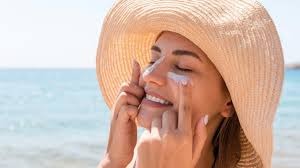
4. Use Sunscreen Every Day
Sun damage leads to:
- Dark spots.
- Early wrinkles.
- Persistent acne marks.
Use broad-spectrum SPF 30+ daily. It’s one of the most powerful steps for bright, clear skin.
5. Exfoliate 1–3 Times Per Week
Exfoliation removes dead skin cells that clog pores.
- Chemical exfoliants are gentler and more effective than physical scrubs.
- Start slowly. Exfoliating too much can irritate your skin and cause more breakouts.
6. Avoid Touching Your Face
Avoid touching your face because your hands carry dirt and bacteria that can cause breakouts. Don’t pick or pop pimples, as this can worsen them and lead to scars.
7. Keep Hair and Pillowcases Clean
Hair oils and styling products can clog pores on your face. Change pillowcases 1–2 times per week to reduce the buildup of oil and bacteria.
8. Watch Your Diet and Hydration
What you eat can affect how clear your skin looks.
- Drink plenty of water every day to keep your skin hydrated.
- Limit sugary snacks and dairy if you notice they cause breakouts.
- Eat skin-friendly foods like fruits, vegetables, nuts, and omega-3-rich foods to support healthy skin.
9. Manage Stress
Stress increases cortisol, which leads to more oil production and breakouts. Helpful practices:
- Meditation or breathing exercises.
- Sufficient sleep.
- Regular physical activity.
10. Know When to Seek Professional Help
If you experience:
- Persistent or painful acne.
- Sudden breakouts.
- Dark marks that won’t fade.
A dermatologist can provide special treatments for your skin, like creams, chemical peels, or prescription products to help clear breakouts and improve your skin.
Unlock the Key to Glowing, Healthy Skin
Understanding the difference between pimples and acne is key to taking proper care of your skin. Acne is a long-lasting skin problem that can cause pimples, blackheads, and cysts. Pimples are just single red or swollen spots that appear sometimes. Knowing this helps you choose the right treatments and skincare products.
Many factors can contribute to breakouts, including genetics, hormonal changes, and lifestyle habits. However, maintaining a consistent skincare routine can significantly improve your skin’s health and appearance. Simple steps like cleansing, moisturizing, sun protection, and using targeted treatments can keep your skin balanced and glowing.
Whether you’re looking for a reliable pimple patch for occasional spots or everyday skincare essentials for long-term skin health, taking the right steps today can boost your confidence and support radiant skin.